
By MPDA staff
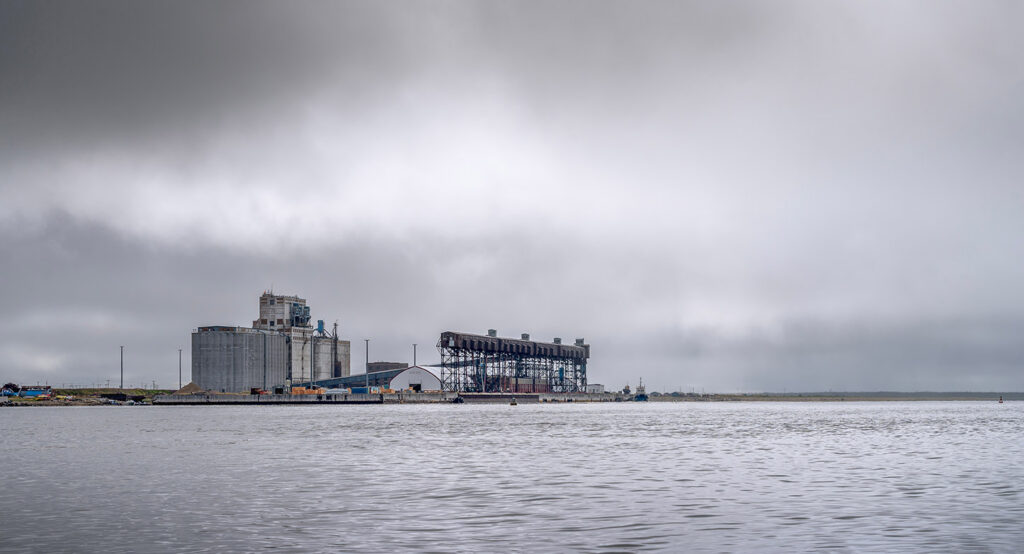
Manitoba has mineral potential. Connecting that potential with customers, investment and reliable transportation is where the work becomes practical. A new agreement between Arctic Gateway Group and the Port of Rotterdam is an encouraging step in that direction.
Announced on September 28, the agreement aims to strengthen trade between Western Canada and Europe, including critical minerals and energy products. The partners will work to connect Canadian producers with European buyers and bring together shipping, logistics and industrial partners across their port networks. (arcticgateway.com)
The September 29 Critical Minerals & Trade Forum in Winnipeg brought that opportunity into focus. Arctic Gateway Group’s subsequent update reported welcoming Rotterdam partners and Netherlands consulate representatives to discuss European demand and what’s needed to connect Canadian projects with customers across the Atlantic.
For MPDA, this is a conversation worth paying attention to. Mineral development depends on more than identifying a resource. Producers need customers, workable transportation options and business relationships that can support a project over time. Our suppliers and service companies should also be asking where they could contribute as these connections develop.
Churchill’s ownership adds an important dimension. Arctic Gateway Group owns and operates the Port of Churchill and the Hudson Bay Railway, which runs from The Pas to Churchill. The company is owned by a partnership of 41 Indigenous and Bayside communities, including 29 First Nations. Indigenous and community ownership is already part of this corridor’s foundation. (arcticgateway.com)
As we discuss new markets and infrastructure, we should also be discussing how Nations want to participate, what communities need and how local businesses can prepare. Ownership, employment, procurement and land stewardship deserve attention as opportunities take shape.
There’s also progress on understanding Churchill’s longer-term shipping potential. In August, the governments of Canada and Manitoba and Arctic Gateway Group highlighted research indicating that existing ice-class vessels could support year-round navigation through the broader Churchill corridor. That finding establishes technical potential; delivering a dependable year-round trade service still requires attention to infrastructure, operations and economics. (news.gov.mb.ca)
Meanwhile, Arctic Gateway Group reports that Churchill’s 2026 shipping season has included grain exports, zinc concentrate, Manitoba-produced potash and northern resupply vessels serving Nunavut communities. These shipments provide a practical foundation for discussions about future trade. (arcticgateway.com)
The Rotterdam agreement creates a framework for cooperation. The next work is connecting producers and buyers, assessing commercial requirements and turning those relationships into business.
At MPDA, we want Manitoba companies and Indigenous Nations to be part of those conversations early. Our State of the Nations Address on November 16 at the Victoria Inn in Winnipeg will provide another opportunity to hear directly from First Nations and Métis leaders about their economic priorities and potential partnerships.
There’s reason to be encouraged. Let’s use this momentum to build relationships, ask practical questions and help Manitoba’s mineral development opportunities move forward.